
Author: Lawyer Deng Xiaoyu
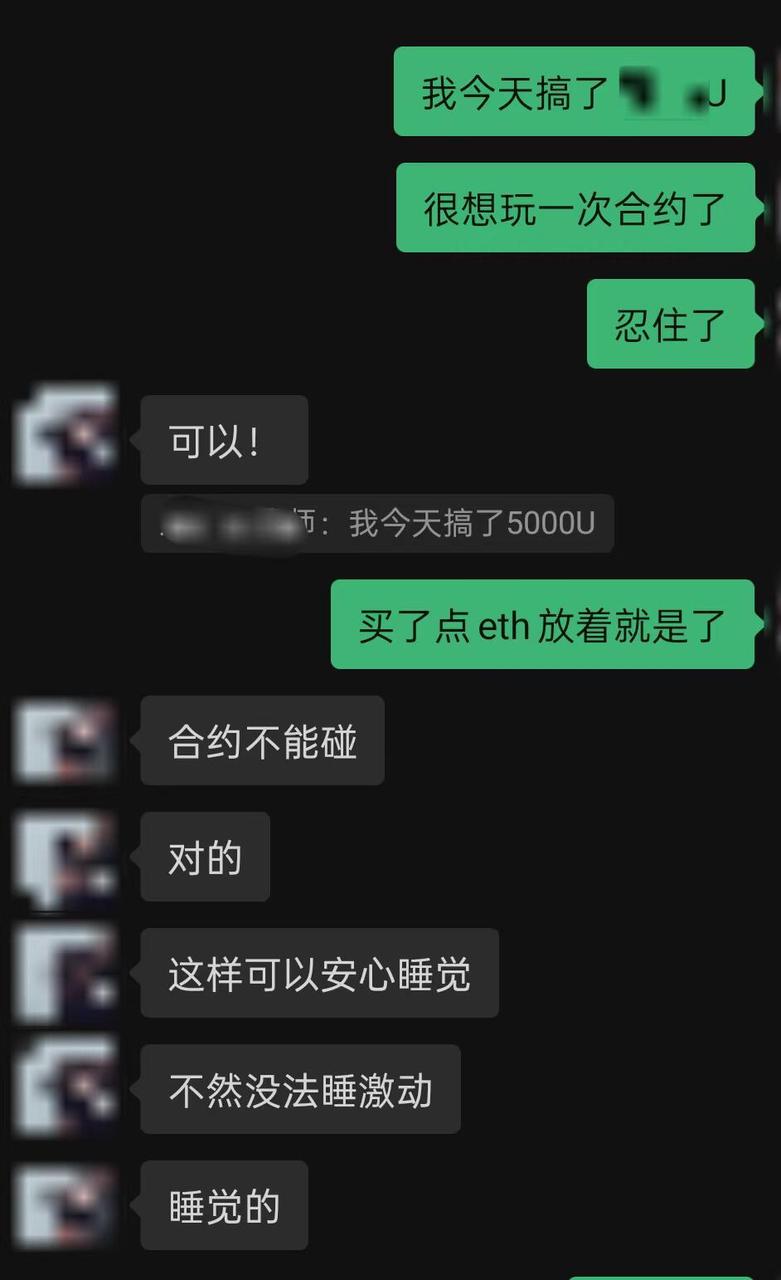
As a lawyer who has been dealing with cryptocurrency cases for many years, I have gradually become a cryptocurrency player. At the beginning of the year, the market was turbulent and ETH plummeted. I wanted to increase my ETH position with the U in my hand, but when I saw the order information in the community, I suddenly thought, why not take advantage of the market to play a contract?
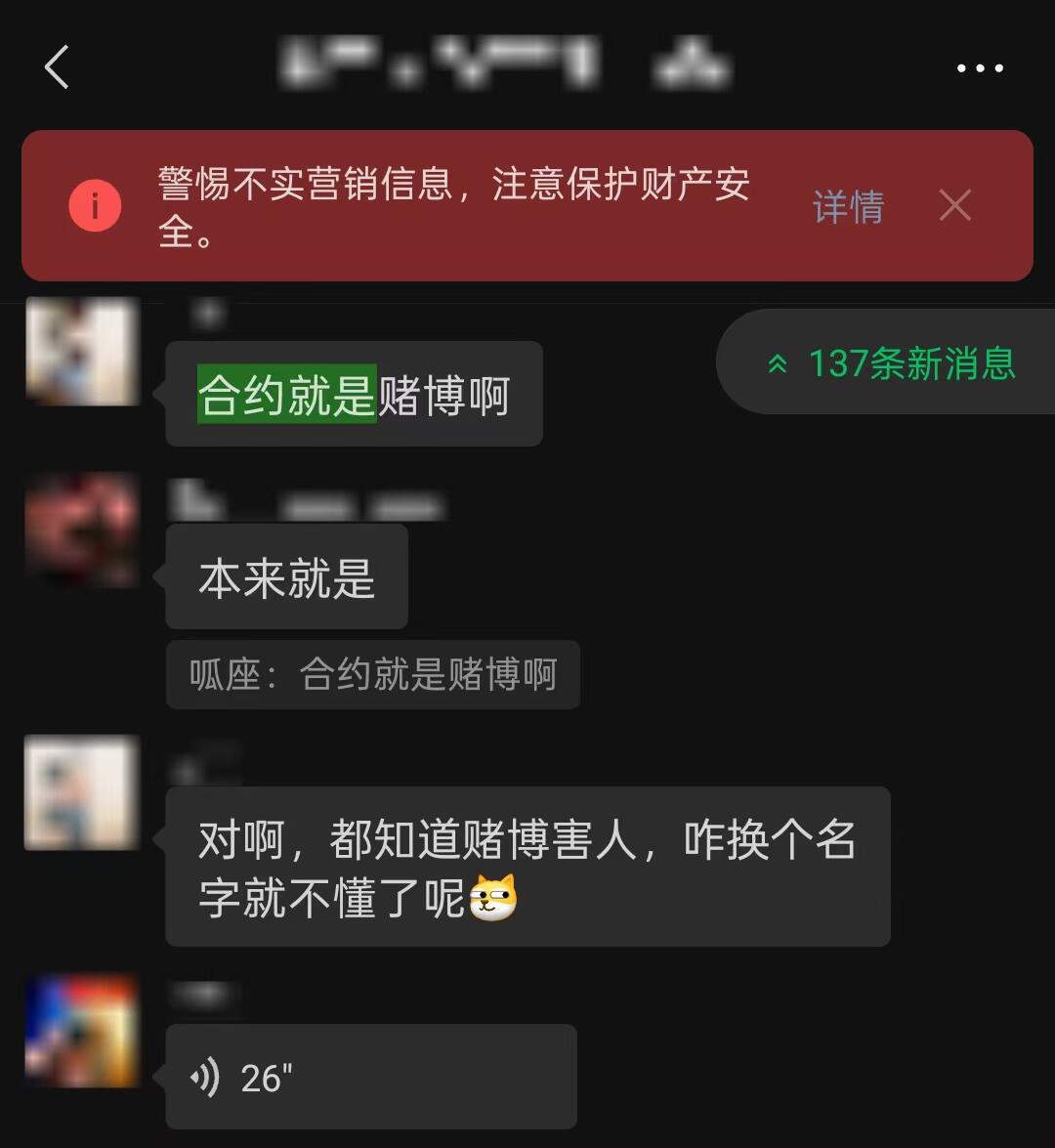
Fortunately, I asked a few players around me and they all said, "Don't play contracts, it's just gambling" and "Don't play contracts, you won't be able to sleep."
Finally, looking at the messages sent by the order-leading clerks in the group, and remembering the cases he had come across where people who received commissions for bringing orders were deemed to have opened a casino, he knew that he should not go to "gamble."
What is the rebate for contract orders in virtual currency exchanges?
There are actually three levels of meaning here:
Cryptocurrency Exchange
As the name implies, a virtual currency exchange is an online platform that provides trading services for virtual currencies. Users can register an account, deposit virtual currency or legal currency into the exchange's wallet, and conduct buying and selling operations. These exchanges not only support transactions between virtual currencies, but also allow users to purchase virtual currencies using legal currencies (such as US dollars, euros, and RMB).
Exchange contracts
Exchange contracts are standardized agreements uniformly formulated by exchanges. The current contract transactions in virtual currency exchanges are derived from traditional futures contracts.
A futures contract stipulates the delivery of a certain amount of underlying assets (such as commodities or financial assets) at a specific time and place in the future. The main terms of a futures contract include the trading product, delivery date, delivery location, delivery method, contract size, etc. The standardization of these terms makes the contract highly liquid and tradable.
At present, most virtual currency exchanges use perpetual contracts. When people in the industry talk about contracts, they basically assume that they are perpetual contracts. Compared with futures contracts with a delivery date, perpetual contracts do not have a delivery date and no deadline. Investors use their own principal as margin and use the leverage provided by the exchange to bet on the rise and fall of virtual prices, thereby making a profit (loss).
Exchanges mainly earn income by charging transaction fees. The practice of setting high leverage in perpetual contracts will cause investors to face great risks, while exchanges can obtain higher transaction fee income.
Contract with single commission
Contract order sharing refers to experienced traders (leaders) sharing their contract trading decisions and operations, and other investors (followers) choose to follow or copy the trading operations of the leader in the hope of obtaining similar returns. This model is similar to social trading or copy trading, where the leader usually plays the role of a leader and the follower earns profits by imitating his or her transactions.
The commission rebate for leading orders means that these traders (basically composed of kols and retail investors) accept the request of the virtual currency exchange in advance, use their own social influence to carry out publicity to attract followers, and obtain commissions returned by the exchange from the followers' transactions.
Why are more and more people being convicted of running a casino by bringing in commissions?
Obviously, the crime of opening a casino requires that a casino be established first.
First of all, the KOL does not set up a casino on his own. The KOL usually shares the invitation code for registering an exchange account. The exchange will give the KOL a corresponding proportion of the commission for the user who registered through the invitation code and the handling fee for future contract transactions in the exchange.
Therefore, if the person who brings the orders is to be convicted of the crime of opening a casino, it is imperative that the contract gameplay of the exchange is recognized as a form of gambling, and the exchange is recognized as an online venue that provides gambling activities.
But there has been controversy over whether exchange contracts are considered to be opening a casino.
On the one hand, if the contract gameplay of the virtual currency exchange completely copies the traditional futures contract model (non-perpetual contract). In the cases we have come into contact with, some defense lawyers have applied to the regulatory authorities to identify the trading model and defended the crime of opening a casino as the crime of illegal business operation. At this time, even if the order-carrying person accepts the platform rebate, because the platform does not constitute the crime of opening a casino, the order-carrying person's behavior cannot be identified as the crime of opening a casino (accomplice).
On the other hand, if the virtual currency exchange is conducting a perpetual contract, in current judicial practice, it will basically be considered that the exchange is operating a casino. According to public case searches, the logic behind the judicial authorities' determination that perpetual contracts are gambling is mainly as follows:
1. The rise and fall of virtual currencies are characterized by irregularity, randomness, and contingency. Users of the exchange choose to buy long (bullish) or sell short (bearish) based on the expected rise and fall of virtual currencies. This is a binary option transaction, but the basis for the rise and fall expectations is the index obtained by the exchange after taking the weighted average of the transaction value of virtual currencies. There is no unified mechanism for the formation of virtual currency prices. Prices fluctuate violently, and the rise and fall are accidental and irregular.
2. The exchange has amplified the speculative risk through high leverage, which is highly risky . Ordinary perpetual contracts can add up to 100 times leverage, and crazy contract play may be 1,000 times. Once high leverage is used, it is very easy to cause "explosion". In addition, the platform sets up robot orders to gamble with players, prompting players to trade contracts, and estimates the rise and fall of virtual currencies. Through risk control, it sets an upper limit for buying or selling, thereby increasing the user's contract transaction costs.
3. According to current policy regulations, "virtual currency perpetual contract trading" is an illegal financial activity. The obvious difference from futures trading is that there is no agreed delivery time. It is a perpetual contract with a trading time of 7x24 hours, extremely high leverage multiples and no physical or cash delivery. The trading model of players through the exchange is essentially the same as gambling behavior of "betting on size and winning or losing".
Therefore, those who participate in perpetual contracts will be considered to have formed an agency relationship with the casino, thereby constituting the crime of opening a casino.
Finally, two tips
There are obvious legal risks in contract-based commission rebates.
On the one hand, there is no need for people who bring orders for contract rebates to take the chance that foreign exchanges’ perpetual contracts are not illegal, and that it is not illegal to attract customers for foreign exchanges in China. National conditions and policies are different, so don’t use foreign frameworks to fit the mainland environment.
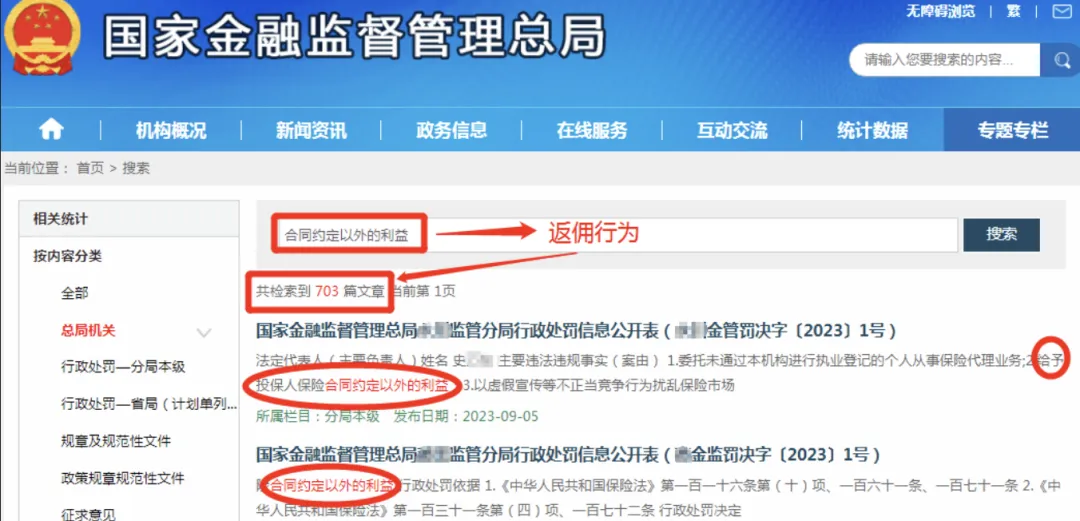
On the other hand, if the commission-bearing behavior is deemed by local laws to violate securities laws or futures laws and other related regulations, the commission amount may be deemed as illegal income and need to be refunded; even if it is legal income, it may need to pay taxes according to local regulations. Don't ask why you don't need to pay taxes in mainland China when you are carrying orders.
/ END.